Thomas Reinshagen
Collection strategy and management
When strategic collection guidance really makes sense
- You are building a new collection and want to follow a line from the start, instead of finding out later that the works do not belong together.
- An existing collection has grown, and you slowly lose the overview: where is what, what is it worth today, what is insured, what is not.
- You have inherited a collection and face the question of whether to keep, extend, document or partially dissolve it.
- A succession is approaching: to children, to a foundation, into a holding. The works should be passed on without breaks in ownership, insurance or tax.
- Insurance or tax events force a formal value assessment. You want to use the occasion to also set a strategy for the next years.
- You integrate art into a wealth balance sheet, perhaps in a family office context. The collection should be tracked as its own asset class, with reporting that meets family office standards.
- You want clarity without an event. Sometimes the wish to know where you stand and what the next ten years mean is enough.
What collection guidance from me actually means
Collection guidance is not a single service, but a combination of several modules. Which ones you need depends on your situation. I combine exactly the modules that fit you.

Strategy development
A line gives a collection substance. Together we define what your collection stands for: which artists, which periods, which qualities. What fits your personal story and your long-term wealth picture. What deliberately does not. A clear collection strategy makes each subsequent acquisition easier and each valuation more robust.
Inventory and documentation
Work by work: description, photographs, provenance, location, insurance status, value development. Building a complete collection inventory in a form that banks, insurers, tax authorities and later heirs can all read. On request, in a secured digital form accessible only to you.
Value care and valuation cycles
Values change. Artists come, artists go, market phases shift. I take care of regularly updating the valuation reports for your collection, typically every three to five years, or whenever market shifts, insurance events or a possible sale make it necessary.

Insurance and storage
Insurance sums that are too high or too low either cost you money or create risk. I review your insurance policies against the current valuation, coordinate the switch to specialist insurers where needed, and assess storage, climate, security and transport.
Tax and legal structuring
In cooperation with your tax and legal advisers: collection in a holding, foundation or other structure, treatment in the event of relocation, inheritance or gifts. I provide the value assessments and collection documentation that your advisers need for structuring.
Succession and transfer
Passing on a collection means more than transferring ownership. It means handing over a story without cutting it off. Together we develop a plan: which part is transferred when and how, whether heirs should continue or sell, what a foundation could look like, what to consider in the family context.
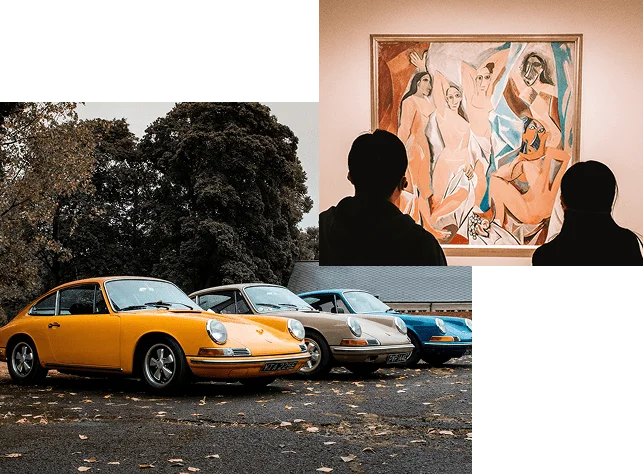
Which objects and collection categories I work with
Art
.
Art
Luxury watches
Brand-name watches, collector’s editions, vintage pieces
.
Luxury watches
Jewellery and gemstones
Designer and couture jewellery, signed pieces, loose stones
Jewellery and gemstones
Classic cars
Historic vehicles, concours quality, collector’s lots
Classic cars
Wine collections
Premium wines, en primeur stocks, private collections
Wine collections
How the engagement runs
Confidential first conversation
We talk about the history of the collection, its current state and the aims of the guidance. Free of charge, no obligation.
➝ 30 to 60 minutes.
Mandate definition and inventory intake
In writing and clearly defined: which modules to implement, in which time frame. Inspection of the collection in person or based on existing documentation. ➝ 1 to 4 weeks.
Strategy draft
First strategy draft for joint discussion. This is where the line, focus areas and structure of the collection are decided. ➝ 2 to 4 weeks.
Implementation
Inventory, valuation reports, insurance adjustment, documentation, structuring recommendations. ➝ Step by step, depending on the mandate.
Continuing engagement
On request: annual collection review, value updates, support with purchases and sales, updates when things change. ➝ Ongoing
Who this guidance is for
- Private collectors with grown or growing collections who need clarity, structure and a long-term plan.
- Family offices and multi-family offices that integrate art as a distinct asset class in their wealth balance sheet and reporting.
- Foundations whose collections need inventories, valuation cycles and succession processes.
- Groups of heirs who need to structure or fairly divide an inherited collection together.
- Private clients in wealth succession who want to pass on a collection to the next generation or transfer it into a foundation.
- Lawyers and trustees who need an external collection lead for their clients.
Why clients work with me
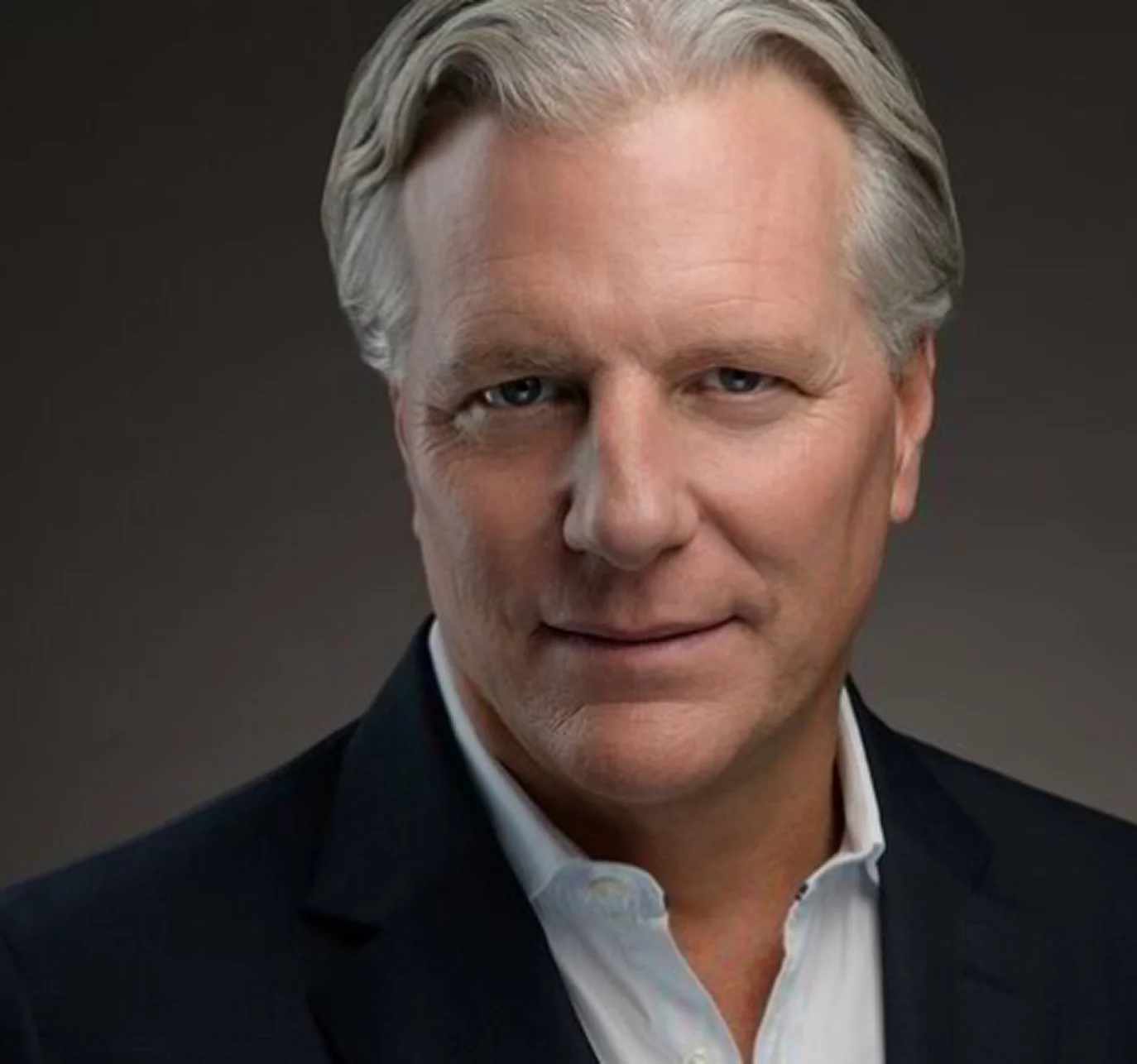
- Over 30 years of market experience in the art and luxury goods business.
- Former Senior Director at Sotheby’s Zurich.
- Accredited adviser to leading Swiss private banks. Valuations and collection documentation are recognised by tax authorities, insurers and financial institutions.
- Vendor-neutral. I have nothing to sell you. My fee comes from you, not from galleries, auction houses or insurers.
- My own collector practice. I have collected myself for over 30 years across several categories (art, photography, watches). Building a collection is not only my work but my own experience.
- Multilingual. German, English, French, Spanish.
- Discretion as standard, not as a promise. Mandates are never cited as references, works are not shown, clients are not named.
Frequently asked questions
What does collection guidance cost?
How large does a collection need to be for guidance to make sense?
Can you also take over only a single module, such as inventory only?
Do you also work with existing insurers and tax advisers?
How is a collection best passed on to the next generation?
How discreet is the engagement?
Ready for a conversation?
Direct contact:
+41 79 293 46 85
reinshagen@thomasreinshagen.com
Contact form



Services
Art and luxury valuation
Collection strategy and management
Buying and selling of luxury goods
Art lending and art leasing
Contact
- Thomas Reinshagen
Art and Luxury Consulting
Dufourstrasse 26
CH‑8702 Zollikon - +41 79 293 46 85
- reinshagen@thomasreinshagen.com