Thomas Reinshagen
Art Lending and Art Leasing: Liquidity from Your Collection
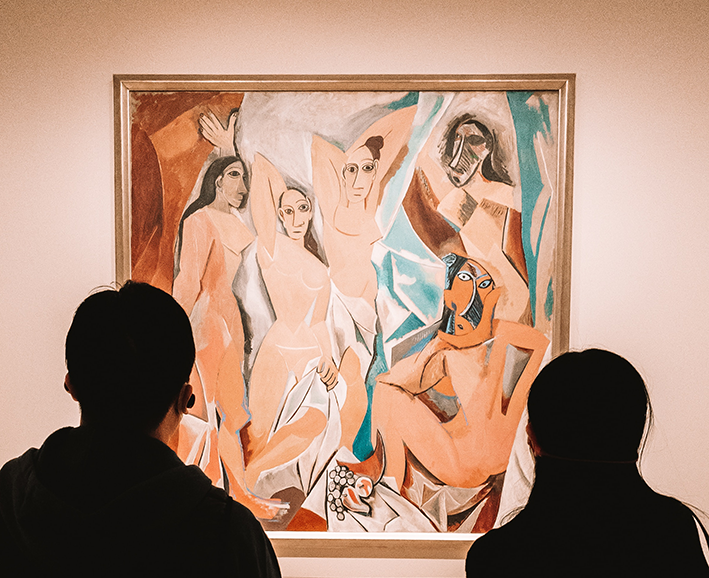
When art lending or leasing really makes sense
- You need liquidity without selling a work. The classic case for an art loan: the collection serves as collateral, you receive capital for an investment, a tax payment, or another wealth decision. The work remains in your ownership.
- The current market cycle does not fit. Selling now would destroy value. A loan bridges the phase, the work is sold later at a better moment, or kept.
- You want capital to work, not to be withdrawn. Several wealth components need investment capital. Instead of dissolving the collection, you let it work.
- A company wants to display art without building ownership. The classic case for art leasing: office spaces, reception areas, representation rooms. Works are rented for a defined period, then returned, exchanged or purchased.
- Balance sheet or tax structuring. A leasing model is preferred over acquisition when the tax or accounting treatment is the better fit. Here we work closely with your tax advisor or trustee.
- Collection rotation for private collectors. Some collectors want to change works regularly without buying each one. Leasing allows that, with clearly defined exchange options.
How art lending and art leasing differ
Aspect
Art Lending
Art Leasing
Ownership
Remains with you. The work serves only as collateral.
Stays with the leasing provider. You use the work against a monthly rate.
Purpose
Use without purchase obligation
Location of the work
Remains with you or in a customs-free storage facility (depending on the bank)
Used by you (office, residence), but owned by the leasing provider
Term
Usually 12 months to 5 years, renewable
24 to 60 months, with renewal or buy-out option
Costs
Interest on the loan amount, valuation fees, storage
Monthly leasing rate, possibly closing payment at buy-out
Tax treatment
Interest typically deductible, the tax value of the work stays with you
Leasing rate deductible as business or operating expense, depending on the model
Risk on value decline
Yours (the work is yours). The bank may request additional collateral.
With the leasing provider.
Aspect
Art Lending
Remains with you. The work serves only as collateral.
Purpose
Location of the work
Remains with you or in a customs-free storage facility (depending on the bank)
Term
Usually 12 months to 5 years, renewable
Costs
Interest on the loan amount, valuation fees, storage
Tax treatment
Interest typically deductible, the tax value of the work stays with you
Risk on value decline
Yours (the work is yours). The bank may request additional collateral
Aspect
Art Leasing
Ownership
Stays with the leasing provider. You use the work against a monthly rate.
Purpose
Use without purchase obligation
Location of the work
Used by you (office, residence), but owned by the leasing provider
Term
24 to 60 months, with renewal or buy-out option
Costs
Monthly leasing rate, possibly closing payment at buy-out
Tax treatment
Leasing rate deductible as business or operating expense, depending on the model
Risk on value decline
With the leasing provider.
How an art loan works

Which works qualify
Banks and specialized lenders do not finance every work. What matters: market breadth (is there a liquid secondary market?), traceable provenance, documented condition, and a value that can be verified. Works by established artists from a mid six-figure market value upwards are the most common case. Watches, jewelry and classic cars are also accepted as collateral, each with its own valuation standards.
Loan-to-value vs market value
Banks typically lend 30 to 50 percent of the documented market value. The remainder is a safety margin against value fluctuations. For very liquid works (top brands, classical auction categories) higher ratios are possible. For specialized works, the ratio tends to be lower.
Terms, storage and repayment
Interest is oriented at the upper Lombard rate level and is negotiated individually. Storage depends on the bank: either with you under insurance conditions, or in a bank’s customs-free storage. Early repayment is usually possible at any time, with reduced early repayment fees at some banks.
How art leasing works
Operating lease (classical leasing)
You pay a monthly rate over an agreed term. At the end, the work returns to the leasing provider. Often used in corporate contexts for office art, or by private collectors who want to rotate works.
Finance lease (with purchase option)
Economically similar to a financing arrangement. You use the work, pay the rates, and at the end of the term you can acquire it at a defined residual value. Often tax-attractive because rates are treated as expense.
In both cases, the question is what happens at the end of the term: return, extension, buy-out or exchange. This is regulated in the contract from the start, not ad hoc.
Which objects and collection categories qualify
Art
.
Art
Luxury watches
Brand-Name Watches,
Collector’s Editions,
Vintage Pieces
.
Luxury watches
Jewelry and gemstones
Designer and Couture Jewelry, Signed Pieces, Loose Stones
Jewelry and gemstones
Classic Cars
Historic Vehicles,
Concours Quality, Collector’s Lots
Classic Cars
Wine collections
Premium wines, en primeur stocks, private collections
Wine collections
How the engagement runs
Confidential first conversation.
We clarify your situation, the goal of the liquidity (or the use), and whether a loan, a lease or a combination is the better way. Free of charge, no obligation.
➝ 30 to 45 minutes.
Work verification and valuation report.
Inspection of works, documented valuation. For works with a current report, this step is shorter.➝ 1 to 4 weeks.
Lender or leasing provider selection.
I identify the banks or leasing houses that fit your works and your terms, request offers and compare.➝ 1 to 3 weeks.
Negotiation and contract.
Terms, term length, collateral, termination, buy-out. I negotiate on your behalf, not for the other side.➝ 1 to 4 weeks.
Execution and continuing support.
Storage, insurance adjustment, documentation, annual value updates over the term where needed.
Who this is for
- Private collectors with significant collection wealth who need liquidity for other investments or life situations, without parting from a work
- Family offices and multi-family offices who want to structure art as collateral in their asset allocation
- Companies who want to display high-value art without building ownership in the balance sheet, or who want to transfer an existing art inventory into a leasing structure
- Banks and private banks who need an external, independent appraiser for art collateral of their clients
- Lawyers and trustees in mandates where liquidity without sale is the better solution than a forced sale

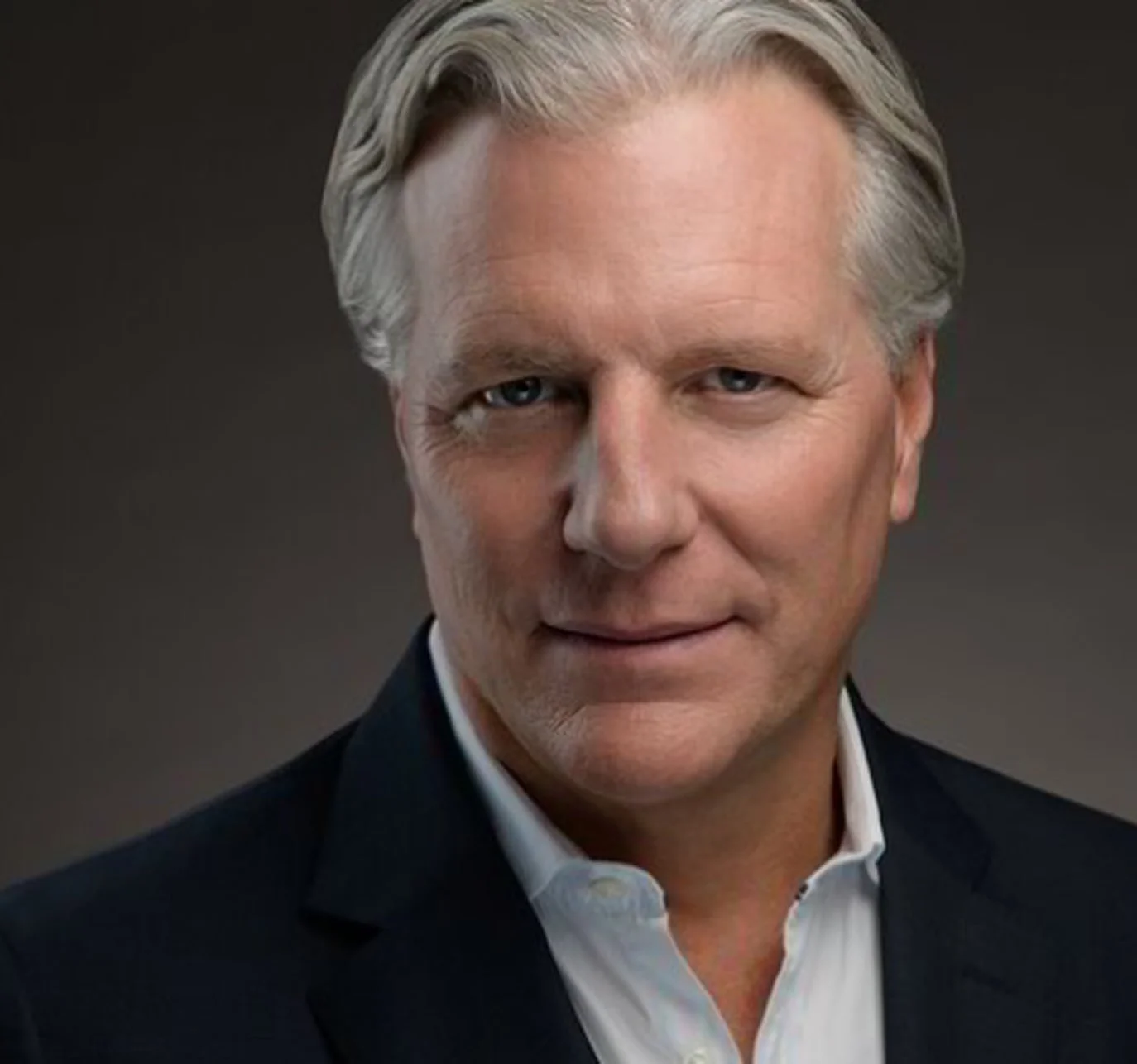
Why clients work with me
- Over 30 years of market experience in the art and luxury goods businesst.
- Former head of Sotheby’s Zurich.
- Accredited by several reputable Swiss private banks and financial institutions. Valuations and collection documentation are recognized by tax authorities, insurers and financial institutions.
- Vendor-neutral. I sell nothing you should buy. My fee comes from you, not from galleries, auction houses or insurers.
- My own collector practice. I have collected myself for over 30 years across several categories (art, photography, watches). Building a collection is not only my work, it is my own experience.
- Multilingual. German, English, French, Spanish.
- Discretion as a standard, not as a promise. Mandates are not referenced, works are not shown, clients are not named.
Frequently asked questions
How much can I get for a work?
Does the work stay in my ownership?
What happens if the market value drops during the term?
Where is the work stored during the term?
What does an art loan cost?
What happens on default?
Are art loans tax-recognized?
Ready for a conversation?
Direct contact:
+41 79 293 46 85
reinshagen@thomasreinshagen.com
Contact Form



Services
Contact
- Thomas Reinshagen Art and Luxury Consulting. Zürich. Schweiz.
- +41 79 293 46 85
- reinshagen@thomasreinshagen.com